Your child needs dental work, and somewhere between the diagnosis and the appointment, a question settles in that no parent can quite shake: Will they remember this? It is a deeply human concern, because you are not just thinking about the procedure itself. You are thinking about the version of the dentist your child carries with them for the rest of their life.
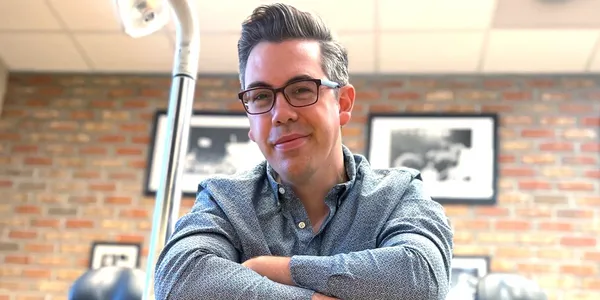
At Kids Dental Center in Chandler, Arizona, Dr. J. Rockwell Wright has built his practice around a simple but powerful belief: every kid deserves the absolute best, and that includes an experience at the dentist that does not leave them afraid. His approach to sedation is thoughtful, precise, and rooted in a genuine understanding of how early dental memories shape lifelong behavior.
What Sedation Does to Memory
Most sedation medications used in pediatric dentistry carry what is known as an amnesic effect, meaning they significantly reduce or eliminate a child’s ability to form lasting memories during the procedure. This is not something to be worried about. In fact, it is one of the most meaningful benefits sedation offers young patients.
Whether your child receives nitrous oxide, oral conscious sedation, or a combination of approaches, the intended outcome is the same: your child feels calm, relaxed, and free from distress while care is being delivered. For many children, that also means they simply will not hold on to a clear memory of the experience. And that matters far more than most parents initially realize.
The Connection Between Memory and Long-Term Dental Health
Dr. Wright has spoken to this directly: if a child needs a procedure before age 12, the likelihood of needing similar work in their mid-teens and early twenties increases dramatically without proper behavioral management along the way. Children who leave dental appointments feeling scared and overwhelmed tend to become more and more sensitized over time, and their behavior at subsequent visits often gets worse with each one.
Sedation helps keep that curve flat. When a child does not form a frightening memory of dental treatment, they are far more likely to return to future appointments with an open mind, which means better oral health outcomes year after year. It is one of the reasons Dr. Wright recommends nitrous oxide for most children under 12 who are having procedures done, not out of habit, but because the research and the results consistently support it.
What Each Sedation Option Looks Like
Kids Dental Center offers multiple levels of sedation, and the right choice depends entirely on your child’s needs, temperament, and the complexity of the procedure. Every option Dr. Wright uses involves reversible medications, and no child goes home until they are fully alert, comfortable, and responsive.
Here is a look at the three main approaches used at the practice:
- Nitrous oxide: Commonly called laughing gas, this option takes the edge off for children who can sit in the chair but feel a little nervous. Most children remain aware of their surroundings but have little to no memory of discomfort.
- Oral conscious sedation: Used when a deeper level of relaxation is needed, this approach uses short-acting, carefully selected medications. Children are closely monitored throughout, and memory formation during the procedure is typically minimal.
- General anesthesia: Reserved for children whose needs cannot be safely or comfortably managed otherwise, including many special needs patients, this is administered in a fully dedicated in-office anesthesia suite with all necessary equipment on hand.
No matter which approach is used, the experience is designed to feel safe from start to finish.
What Recovery Looks Like for Your Child
After sedation, it is completely normal for children to feel groggy for a short period. Most bounce back quickly, and the procedure itself will likely be a blur, if they recall it at all. What children tend to remember is how they felt: settled before they went in, and cared for when they came out.
The recovery space at Kids Dental Center is set up with this in mind. A large, comfortable couch sits right in the treatment room so your child never wakes up in an unfamiliar place. Parents are welcomed back during recovery, and the whole setup is intentionally calm and familiar. Dr. Wright does not let children go home until he is fully satisfied they are alert and comfortable, a standard he holds to without exception.
Kids Dental Center in Chandler, Arizona
When it comes to pediatric sedation, the provider matters as much as the medication. Dr. Wright’s protocols are precise enough that anesthesiologists who visit his practice consistently note that his process is unlike anything they see elsewhere in Arizona. That level of care is not an accident. It is the result of years of deliberate refinement driven by one goal: giving every child a dental experience they can handle, and maybe even look forward to next time.
At Kids Dental Center, no two patients are treated the same way, because no two children are. Dr. Wright brings the knowledge, research, and experience to tailor every interaction to meet your child exactly where they are. If you have questions about sedation or want to talk through what the right approach might look like for your child, reach out to our office to schedule a visit today.