
Here is a thought that might change how you look at your child’s little smile: the teeth they have right now, even the ones that will eventually wiggle out, are already shaping the adult teeth developing quietly below the surface. Cavities in baby teeth are not just a temporary inconvenience. Left untreated, they can set off a chain reaction that affects how permanent teeth erupt, align, and develop before they ever break through the gums.
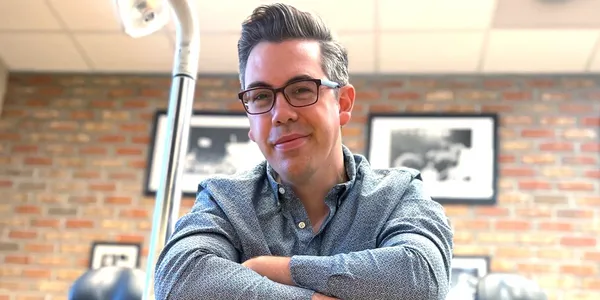
At Kids Dental Center in Chandler, Arizona, Dr. J. Rockwell Wright and the team understand that children are not simply small adults. Their dental needs are unique at every stage of development, and that is exactly why our pediatric dental services are designed with each child’s individual circumstances in mind. Whether your little one is dealing with a first cavity or you are simply trying to stay ahead of one, here is what every parent should know.
Why Baby Teeth Matter More Than You May Think
It is easy to dismiss a cavity in a baby tooth by telling yourself it will fall out soon anyway. But primary teeth are doing important work every single day they are in your child’s mouth. They help your child chew food properly, support speech development, and maintain the shape of the jaw. Most importantly, they hold space for the permanent teeth developing just beneath them.
When a cavity goes untreated, it does not just stay in one place. Decay can deepen, reach the inner pulp of the tooth, and lead to infection. That infection does not respect boundaries.
When Infection Spreads to Developing Permanent Teeth
A bacterial infection in a baby tooth can reach the root and the surrounding bone, putting the developing permanent tooth at risk before it even erupts. Research published by the National Institutes of Health found that untreated dental caries in primary teeth is significantly associated with delayed development of permanent teeth, including the canine, premolars, and second molars. In some cases, infections can cause enamel defects, discoloration, or even structural malformation in the adult tooth while it is still forming underground.
Early Tooth Loss and What It Means for Alignment
When a baby tooth is lost too early because of severe decay, the surrounding teeth take notice. They begin to drift into the empty space, narrowing the path the permanent tooth needs to erupt correctly. The result is often crowding, misalignment, and a referral to an orthodontist that might have been avoided entirely with early intervention. The connection between untreated childhood cavities and the need for orthodontic treatment later in life is well established, and it begins with those small primary teeth.
What Kids Dental Center Does to Protect Your Child’s Smile
The good news is that cavities are among the most preventable dental problems there are, and when they do occur, early treatment makes a significant difference. Dr. Wright’s training in hospital-based pediatric dentistry, combined with his top 10% board performance, means your child is in experienced hands. We use premium materials and the latest techniques to treat decay in a way that protects the tooth and preserves the health of whatever is developing beneath it.
Here is a look at the preventive and restorative tools we use to keep your child’s smile on track:
- Routine cleanings and exams: Regular checkups allow us to catch early decay before it becomes a deeper problem, giving us the opportunity to intervene with the least invasive approach possible.
- Fluoride treatments: Applied directly to the teeth, fluoride strengthens enamel and helps resist the bacteria responsible for decay.
- Dental sealants: A thin protective coating placed on the chewing surfaces of back teeth, where cavities most commonly form in children.
- Fillings and restorations: When decay is present, we remove it and restore the tooth with materials chosen for their quality and durability, including options sourced from Sweden and Japan.
- Pulp therapy: When decay has reached the inner tissue of a tooth, pulp therapy can save the tooth and prevent the spread of infection to the developing permanent tooth below.
Every child who comes through our doors gets an approach tailored to their specific needs, not a one-size-fits-all protocol. That philosophy is at the core of everything we do.
Starting Early Makes All the Difference
The earlier a child sees a dentist, the better. The American Academy of Pediatric Dentistry recommends a first dental visit by the time a child’s first tooth appears, and no later than their first birthday. Starting early gives Dr. Wright the opportunity to establish a baseline, catch any concerns right away, and build a relationship with your child that makes every visit easier.
We know that dental anxiety is real for children, and for parents too. That is why we have designed our office to feel welcoming for kids at every age, from the Super Mario side of the room for younger patients to the more grown-up teen side complete with sports jerseys and a clothing line. We hand out Pokemon cards, track down rare Minecraft prizes, and do whatever it takes to make your child’s visit something they actually look forward to. A child who feels comfortable at the dentist is a child whose teeth get the care they need, and that is exactly how we want it.
Schedule a Visit at Kids Dental Center Today
Cavities in baby teeth are not something to wait on. The window for protecting both the primary tooth and the permanent tooth developing beneath it is real, and the best time to act is before a small cavity becomes a bigger problem. We work with most insurance plans and offer multiple financing options to make sure cost is never a barrier to care for your child.
Dr. Wright and the team at Kids Dental Center are here to be your partner in your child’s oral health, from that very first tooth all the way through the teenage years. Contact us today to schedule your child’s next appointment and take the first step toward a lifetime of healthy smiles.