
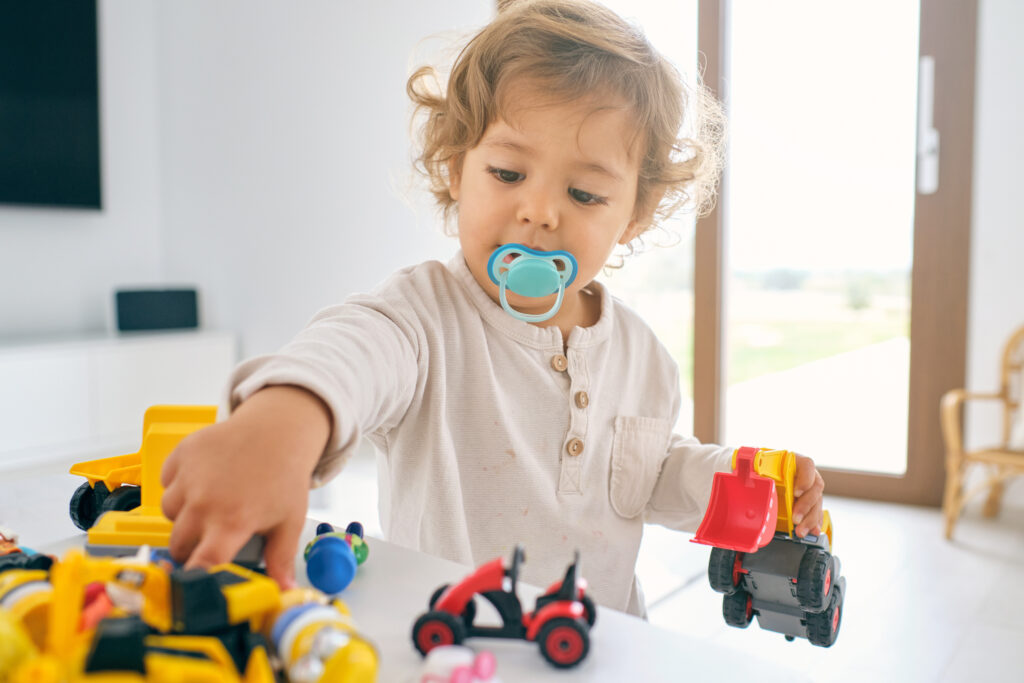
Pacifiers can be a lifesaver for new parents, offering comfort and soothing power when little ones need it most. But as your baby grows into a toddler, you might start wondering when it is time to say goodbye to the binky. The answer is not always simple, and many parents find themselves with questions about dental health, speech development, and just how to make the transition happen without tears.
At Kids Dental Center, Dr. Wright and the team help families work through these important developmental milestones with a wide array of pediatric dental services and guidance tailored to each child’s unique needs. Pacifier weaning is about more than just dental health. It is about supporting your child’s overall growth in a way that feels manageable for your family. Here is what you need to know.
The Recommended Timeline for Pacifier Weaning
Research from the American Academy of Pediatric Dentistry suggests that pacifier use should ideally end by age three to avoid potential dental complications. However, many pediatric dentists, including Dr. Wright, recommend beginning the weaning process earlier. The sweet spot for starting to phase out pacifier use is typically around your child’s first birthday, though every child develops at their own pace.
By this age, most toddlers are ready to explore other forms of self-soothing and are less reliant on the sucking reflex that dominated their infant months. Starting the weaning process gradually during the second year of life gives children time to adjust and reduces the intensity of dental changes that can result from continued use into the preschool years.
How Pacifiers Affect Your Child’s Teeth
Prolonged pacifier use can impact your child’s oral development in several ways. When toddlers continue using pacifiers beyond age three, especially with frequent and forceful sucking, their upper front teeth may begin to tip forward or fail to erupt correctly. This creates what dentists call an anterior open bite, where the front teeth do not meet when the mouth closes.
Parents might also notice changes in jaw alignment, including posterior crossbites, where the upper teeth fit inside the lower teeth rather than outside. These changes occur because constant pressure from the pacifier affects tooth position and jawbone growth during a period when both are actively developing.
The encouraging news is that many of these dental changes can self-correct once the habit stops, particularly when children quit before their permanent teeth begin to emerge around age six. The earlier the habit ends, the better the chance that the developing jaw and teeth can recover without orthodontic intervention. Regular children’s dental exams help monitor these developmental changes and catch any concerns before they become more significant issues.
How Pacifiers Can Affect Speech Development
Beyond dental development, prolonged pacifier use may also interfere with speech and language development. A pacifier in the mouth limits the tongue’s movement and position, which plays a direct role in how children produce certain sounds. Some children who use pacifiers past age two show delays in producing certain consonant sounds, particularly those that require precise tongue and lip placement.
Speech development naturally accelerates between ages one and three, making this an especially important window for reducing pacifier use. Limiting pacifier access to sleep times and specific high-stress moments during this period allows more time for speech practice and reduces the mechanical interference the pacifier creates. If you have concerns about your child’s speech development alongside pacifier use, a conversation with Dr. Wright at a routine visit is a good starting point.
Strategies for Successful Pacifier Weaning
Making the transition away from pacifiers does not have to be traumatic for your child or stressful for you. The most effective approach for most families is gradual reduction combined with positive reinforcement.
Start by limiting pacifier use to specific times, such as naptime, bedtime, or particularly stressful moments, rather than allowing all-day access. Many families find success with a slow reduction where the pacifier becomes available in fewer and fewer situations over several weeks. This gradual approach tends to produce less protest than an abrupt cold-turkey method.
Positive reinforcement works well for most toddlers during this process. Consider creating a reward chart where your child earns stickers or small prizes for pacifier-free stretches, or introduce the idea of the Pacifier Fairy, who collects pacifiers from big kids and leaves a special gift in return. Some children respond well to choosing a replacement comfort object like a special blanket or stuffed animal. Whatever approach you choose, consistency is essential, and all caregivers, including both parents and any regular childcare providers, need to follow the same rules to avoid sending mixed messages.
When Thumb Sucking Becomes the Alternative
After giving up the pacifier, some children naturally transition to thumb or finger sucking instead. While this can feel like trading one problem for another, it is a common response to losing their preferred soothing method. The challenge with thumb sucking is that parents cannot simply remove a thumb the way they can take away a pacifier, which makes the habit harder to break.
If your child develops a thumb-sucking habit after weaning from a pacifier, monitor its frequency and duration carefully. Occasional thumb sucking, especially during sleep or times of stress, typically does not cause dental problems if it stops before permanent teeth emerge. However, persistent and intense thumb sucking can create the same orthodontic issues as prolonged pacifier use. Habit-breaking approaches and habit-breaking appliances may be recommended for children who continue thumb sucking beyond age four, especially if dental changes have started to appear.
Signs It Is Time to Talk to a Pediatric Dentist
Most pacifier questions can be addressed at your child’s routine dental visits, but there are specific signs that warrant a conversation sooner rather than later. These include protruding upper front teeth, a gap between the upper and lower teeth when the mouth is closed, changes in the shape of the jaw, or difficulty with certain speech sounds that does not resolve as expected. Any of these signs at a routine exam will prompt Dr. Wright to take a closer look and recommend an appropriate next step, which may be as simple as guidance on weaning or, if changes have progressed, a plan for monitoring or early intervention.
Trust Kids Dental Center With Your Child’s Smile
At Kids Dental Center in Chandler, Dr. Wright and the team understand that every child is a unique individual with different challenges and needs. By using current research and practical experience, the team tailors each visit to your child’s situation and makes sure parents leave with clear, actionable guidance they can actually use at home.
Good oral health starts early. Infant oral health exams help establish healthy habits from the very beginning and give the team a baseline to monitor your child’s development over time. We accept most insurance plans and provide multiple payment options to make quality pediatric dental care accessible for every family. Contact our office to schedule your child’s next appointment and discuss any questions about pacifier use, thumb sucking, or other oral health concerns.
Frequently Asked Questions About Pacifiers and Child Dental Health
When should babies stop using pacifiers?
The American Academy of Pediatric Dentistry recommends ending pacifier use by age three to prevent dental complications. Many pediatric dentists, including Dr. Wright at Kids Dental Center in Chandler, suggest beginning the weaning process around your child’s first birthday. Starting early makes the transition smoother and reduces the risk of changes to tooth alignment and jaw development that become harder to reverse the longer the habit continues.
Can pacifier use cause crooked teeth or bite problems in toddlers?
Prolonged pacifier use beyond age three can lead to dental changes, including anterior open bite, where the front teeth do not meet when the mouth closes, and posterior crossbite, where the upper teeth sit inside the lower teeth. These issues develop because constant sucking pressure affects tooth position and jawbone growth. Many of these changes can self-correct once the habit stops, especially if your child quits before permanent teeth start coming in around age six.
What are the most effective strategies for weaning a toddler off a pacifier?
Start by limiting pacifier access to specific times like naptime and bedtime rather than allowing all-day use, then gradually reduce those occasions over several weeks. Positive reinforcement such as sticker charts, a replacement comfort object like a favorite stuffed animal, or the Pacifier Fairy concept can all help. Consistency between all caregivers is essential throughout the process.
Is thumb sucking worse for my child’s teeth than a pacifier?
Both habits carry similar risks to dental development when they persist past age three. Pacifiers are generally easier to manage because parents can control access and eventually remove them entirely. Thumb sucking can be more difficult to break since the thumb is always available. If your child transitions from a pacifier to thumb sucking, monitor the frequency and intensity and bring it up at their next dental visit.
When should I talk to a pediatric dentist about my child’s pacifier habit?
Bring up pacifier use at every routine dental visit so Dr. Wright can monitor your child’s tooth and jaw development. If your child is still using a pacifier past age two, if you notice protruding front teeth or a gap between upper and lower teeth when the mouth is closed, or if you have concerns about speech development, schedule an evaluation at Kids Dental Center for a closer look and a personalized recommendation.