

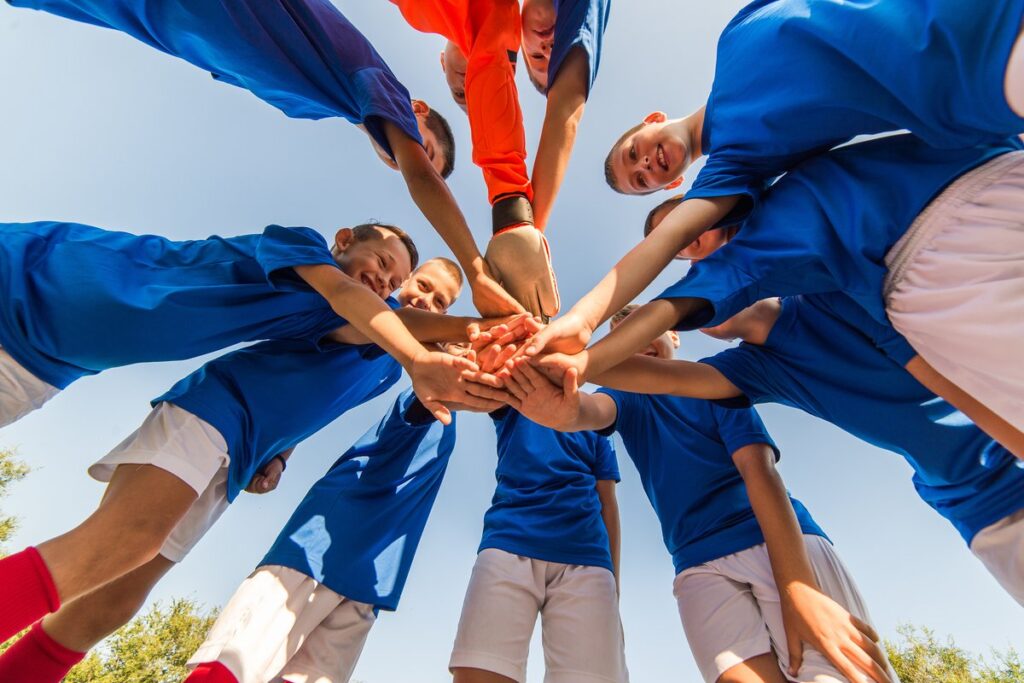
A knocked-out front tooth during a Saturday morning soccer match can turn a fun weekend into an emergency room visit. Falls, collisions, and stray elbows happen constantly in youth sports, and a child’s mouth is often the first thing to take the hit. The right mouthguard can mean the difference between a scare and a serious dental injury.
At Kids Dental Center, we see the aftermath of sports injuries more often than parents expect, and most of these injuries are preventable. Dr. J. Rockwell Wright brings hospital-based pediatric training and board exam scores in the top 10 percent nationally to every conversation about protecting a child’s smile, and we want every family walking into a season of practices and games to know which sports call for a mouthguard and which type actually holds up.
Which Youth Sports Call For a Mouthguard
Some sports carry an obvious risk of a blow to the face, while others surprise parents who assume only full contact sports need protection. Understanding where a child’s sport falls on that spectrum helps you make the right call before the season starts.
Football, hockey, lacrosse, and rugby sit at the top of the list because collisions and stick or puck contact are part of the game itself. Basketball, soccer, baseball and softball, and wrestling also carry real risk, especially for catchers who face fast pitches at close range and wrestlers who grapple in close contact. Martial arts, boxing, and MMA involve direct strikes to the face by design, making a mouthguard essential rather than optional.
Wheels and boards bring their own hazards. Skateboarding, biking, BMX, and scooter riding all involve hard pavement and higher speeds, and a fall can send a chin or mouth straight into concrete. Skiing and snowboarding round out this group, because a tumble on packed snow or a collision with another skier can happen just as fast. If your child plays any of these sports, a properly fitted mouthguard belongs in the equipment bag next to the helmet and pads.
Comparing the Three Types of Mouthguards
Not all mouthguards offer the same level of protection, and the differences matter more than most parents realize. Knowing how each option performs helps you choose wisely instead of grabbing whatever is on the shelf at the sporting goods store.
- Custom mouthguards are fitted from a scan or impression of your child’s teeth, giving the best protection, comfort, and staying power during play. They can also be designed to work with braces when made correctly.
- Boil and bite guards are softened in hot water and bitten into shape at home. They work as a short-term solution, but they tend to run bulky and often shift out of place during a game.
- Stock mouthguards come pre-formed and ready to wear straight out of the package. They offer the least protection of the three and can make it hard for a child to breathe or speak clearly on the field.
Because custom guards are built around your child’s actual bite, they tend to stay in place during a hard hit instead of slipping loose at the worst possible moment. A properly fitted guard is also more comfortable, which makes a child more likely to actually wear it through an entire practice or game.
Mouthguards for Kids in Braces
Braces add another layer to consider. A snap-in style guard that fits tightly against the teeth can trap braces in place and cause damage if a child takes a hit to the face, because it does not leave room for the natural movement of teeth during treatment. A braces-safe mouthguard is designed with extra space to accommodate that movement while still cushioning the brackets and wires from impact. Families exploring clear aligners as an alternative to traditional braces should still ask about mouthguard compatibility, because any orthodontic appliance changes how a guard needs to fit.
According to the American Academy of Pediatric Dentistry, dentists play an important role in educating families on protective equipment and in prescribing or fabricating mouthguards for patients at higher risk of orofacial injury. That guidance is part of why a dental visit before the season starts can matter as much as a trip to the sporting goods store.
Where To Get a Mouthguard That Actually Fits
A well-timed cleaning and exam visit is a good opportunity to bring up mouthguard fitting, especially if your child is starting a new sport or has grown since their last checkup. A dental office can take a scan or impression and fabricate a custom guard built specifically for your child’s mouth, accounting for any braces, missing teeth, or orthodontic changes already in progress.
Sporting goods stores carry boil-and-bite guards that work fine as a stopgap while a custom guard is being made, or for a one-off tournament or tryout. They should not replace a properly fitted guard for a child playing a sport regularly throughout a season. If your child has ongoing orthodontic treatment, a quick orthodontic evaluation can also confirm whether the current mouthguard still fits as teeth continue to shift.
Accidents still happen even with the right gear on, and knowing what to do in the moment matters just as much as prevention. If a ball, elbow, or fall ever does knock a tooth loose or out entirely during a game, our emergency pediatric dental care team is ready to help protect your child’s smile and guide you through the next steps.
Frequently Asked Questions About Mouthguards for Young Athletes
What sports actually require a mouthguard for kids?
Any sport with a real chance of a blow to the face calls for one. Football, hockey, lacrosse, rugby, basketball, soccer, baseball, softball, wrestling, martial arts, boxing, and MMA all carry documented risk, along with wheeled activities like skateboarding, biking, BMX, and scooter riding, plus skiing and snowboarding. If a fall, collision, or direct strike is part of the sport, a properly fitted mouthguard belongs in the equipment bag next to the helmet and pads.
What’s the real difference between custom, boil-and-bite, and stock mouthguards?
Custom mouthguards are fabricated from a scan or impression of your child’s teeth and offer the best fit, comfort, and protection, including options designed to work with braces. Boil-and-bite guards are softened in hot water and shaped at home, which makes them a reasonable short-term option but bulkier and more prone to shifting during play. Stock mouthguards come pre-formed straight out of the package and offer the least protection of the three, often making it harder for a child to breathe or speak clearly during a game.
Can a child with braces wear a regular mouthguard?
Not safely. A snap-in style guard can trap braces against the teeth and cause damage if a child takes a hit to the face, because it doesn’t leave room for the natural tooth movement that happens during treatment. A braces-safe mouthguard is built with extra space to accommodate that movement while still cushioning brackets and wires. Kids wearing clear aligners should also confirm mouthguard fit, since any orthodontic appliance changes how a guard needs to sit.
When should we get a custom mouthguard made?
A routine cleaning and exam visit is a convenient time to bring it up, especially if your child is starting a new sport or has grown since their last checkup. A dental office can take a scan or impression and fabricate a guard built around your child’s current bite, accounting for braces, missing teeth, or other orthodontic changes already in progress.
What should we do if an injury happens even with a mouthguard in?
A mouthguard lowers the odds of a serious injury, but it doesn’t eliminate risk entirely. If a ball, elbow, or fall ever knocks a tooth loose or out during a game, treat it as a dental emergency and seek care right away so the situation can be evaluated and treated properly.
Protect Your Child’s Smile This Season With Kids Dental Center
Every sport comes with its own risks, and a mouthguard is one of the simplest ways to keep a busy season from turning into an unexpected dental emergency. We want families to feel confident heading into tryouts, practices, and game days knowing their child’s smile is protected by gear that actually fits and actually works.
Our team at Kids Dental Center is happy to talk through mouthguard options at your child’s next visit, whether that means a custom fit, a check on how an existing guard is holding up, or guidance on braces-safe protection. Reach out through our contact form to get your child’s mouthguard sorted before the next big game.