Snack time can feel like a tiny daily negotiation. One moment your child is happily crunching on carrot sticks, and the next they are asking for a second fruit snack pouch, leaving you to wonder which snacks are quietly protecting those little teeth and which ones are setting up a cavity down the road.
At Kids Dental Center, we believe snack time should be part of the fun, not another source of stress for you or your child. We want to help you build a simple, low-caries snack routine that fits real family life without turning every snack into a debate.
Snacks That Support Healthy Teeth
Not all snacks are created equal when it comes to your child’s teeth. Some foods actively help protect enamel, while others leave sugar and starch sitting on teeth for hours. The good news is that the best “low-caries” snacks are also easy to keep on hand and easy for kids to enjoy.
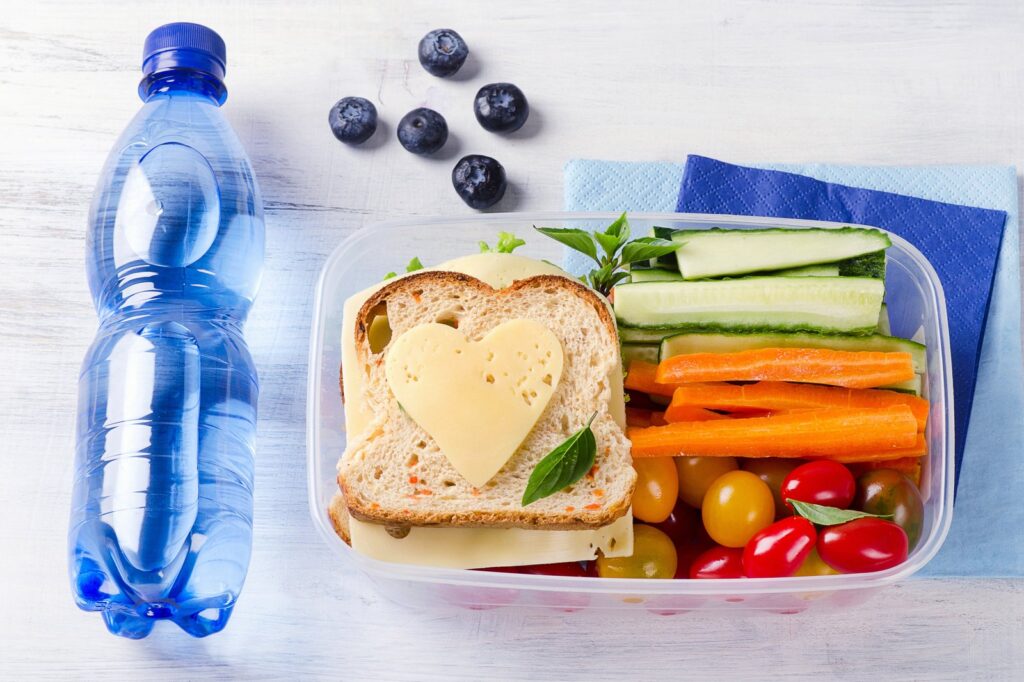
Cheese cubes and string cheese are excellent choices because they stimulate saliva production and provide calcium and phosphate, both of which help strengthen enamel. Plain, unsweetened Greek yogurt topped with cinnamon or fresh berries offers a similar benefit while adding protein. Age-appropriate nuts or nut butter can work well too, though we recommend watching the “sticky factor” so it does not cling to molars. Eggs, turkey, and chicken bites are protein-rich options that do not feed cavity-causing bacteria, and crunchy produce like cucumbers, peppers, carrots, and celery helps clean the mouth naturally while your child chews.
Snack Rules That Matter More Than the Snack Itself
How often your child snacks matters just as much as what they snack on, sometimes more. Constant grazing throughout the day means a near-constant acid attack on tooth enamel, even if every individual snack seems healthy. Spacing snacks out and giving teeth a break in between meals goes a long way toward protecting your child’s smile.
Pairing carbohydrates with protein or fat is another simple way to slow sugar spikes and reduce how long food lingers on teeth. If your child is having fruit, we recommend serving it alongside a meal rather than as a standalone “sippy snack” throughout the afternoon. These small adjustments do not require a complete diet overhaul, just a bit more intention around timing.
Snacks That Seem Healthy But Are Not
Some of the trickiest snacks are the ones that look innocent on the surface. Crackers, pretzels, Goldfish crackers, fruit snacks, granola bars, gummies, and dried fruit all break down into sugars and starches that stick to teeth and feed bacteria long after your child has finished eating. Many “healthy” pouches fall into this same category. They often sit on teeth for extended periods, and because they are easy to sip on throughout the day, they can quietly increase snack frequency without anyone noticing.
According to the American Academy of Pediatric Dentistry, frequent exposure to between-meal sugar-containing snacks or beverages, more than three times a day, categorizes a child as high risk for dental caries. That is one of the clearest reasons frequency deserves just as much attention as ingredients.
- Cheese and string cheese: Stimulate saliva and deliver calcium and phosphate to strengthen enamel.
- Plain Greek yogurt: Adds protein while limiting added sugar, especially when topped with fruit instead of sweeteners.
- Nuts and nut butter: Provide protein, though we recommend age-appropriate portions due to choking risk and stickiness.
- Protein bites: Eggs, turkey, and chicken offer filling options that will not feed bacteria.
- Crunchy produce: Cucumbers, peppers, carrots, and celery help clean teeth naturally while your child chews.
Keeping a short list like this on the fridge can make snack time decisions faster and a little more fun, especially on busy weekdays when you need something quick.
A Quick Rescue Move After Snacking
Even with the best intentions, sticky or sugary snacks sometimes happen, and that is completely normal. A quick rinse of water after a snack can help wash away lingering sugars and food particles before they have a chance to feed bacteria. For older kids, chewing xylitol gum afterward can offer an extra layer of protection between brushings. Brushing right after a snack, when possible, is always the strongest option, but a water rinse is a great backup when a toothbrush is not nearby.
Learn more about how daily habits affect development in our child tooth development guide, and see how early cavities in baby teeth can affect permanent teeth down the road. We also offer dental sealants and fluoride treatment as extra layers of protection for growing smiles.
Kids Dental Center Is Here to Help
Snack choices are just one small piece of keeping your child’s smile healthy and happy, and you do not have to figure it all out alone. At Kids Dental Center, we love getting to know your child’s habits and routines during every visit, and we always aim to make the experience feel more like a fun stop than a stressful one.
If it has been a while since your child’s last cleaning and exam, now is a great time to get one on the calendar. Reach out through our contact page to schedule a visit, and let us help keep those growing smiles healthy, cavity-free, and full of fun.